Utilizamos o simple past para ações no passado de maneira geral. É um tempo verbal empregado para falar sobre algo que ocorreu em uma data específica e não está conectado. Past simple or present perfect. How long, for, since, already, yet, before, ever, never, etc. Hoje vamos aprender a diferença entre o tempo verbal present perfect e o simple past. Essa costuma ser a principal dificuldade para nós, estrangeiros. Past simple = i worked present perfect = i have worked. We use the past simple to refer to definite time in the past (when we specify the time or how long) and usually with past time. Você sempre deve utilizar o present perfect quando o período de uma ação for irrelevante ou não estiver especificado. Alternativamente, utilize sempre o simple past quando forem.

The Difference between Past Simple and Present Perfect - 7 E S L
We use the past simple for past events or actions which have no connection to the present. We use the present perfect for actions which started in the past and are still happening now or for. O present perfect or present perfect simple (presente perfeito ou presente perfeito simples) é um tempo verbal que expressa ações influenciadas pelo presente, ou seja, essas ações ainda.
For more information, click the button below.


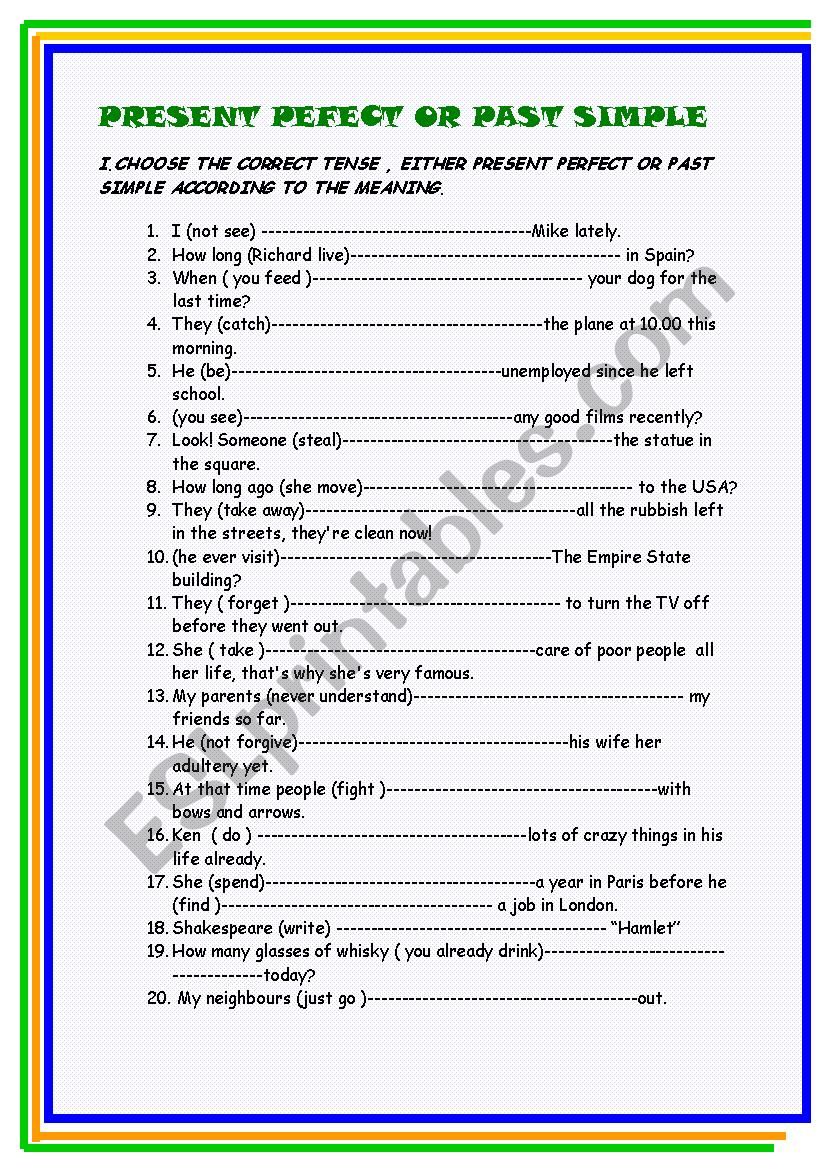
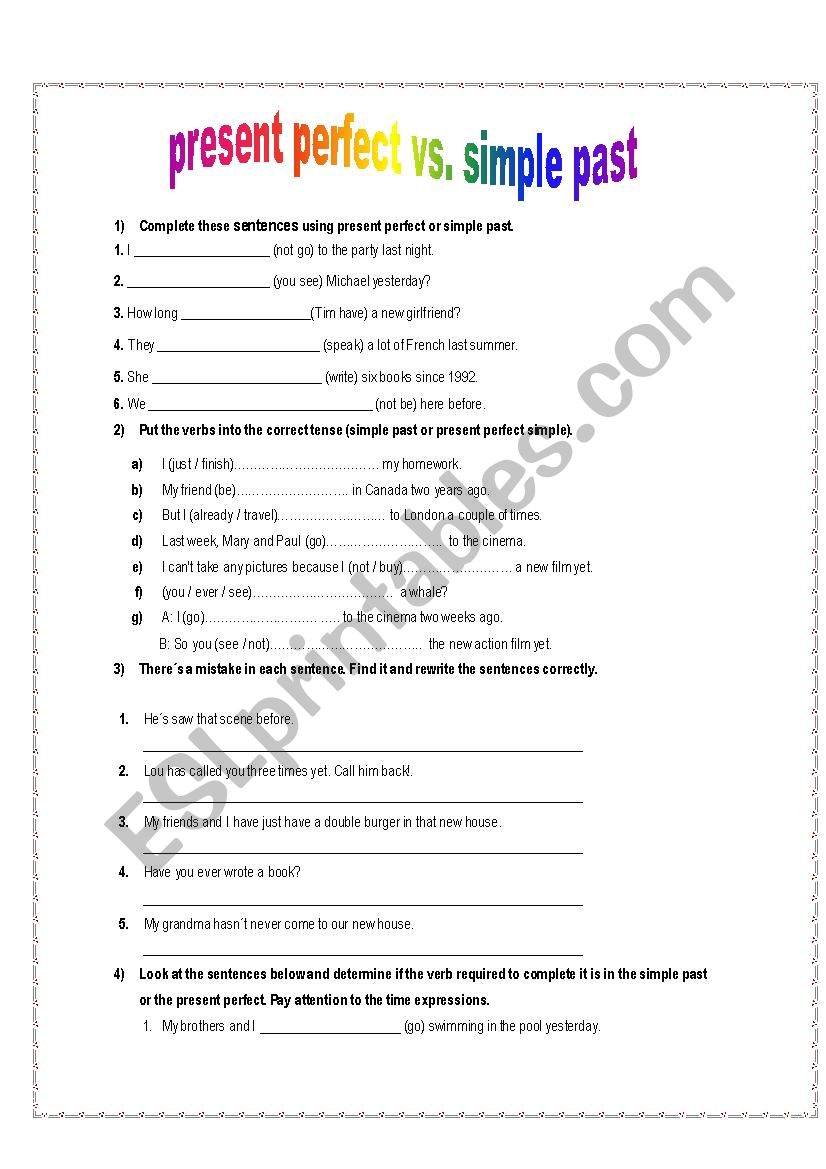
-
Present Perfect or Past Simple - English Grammar lesson
Welcome back to Learn English with Papa Teach Me. I'm Aly, and this is the best English class on YouTube! Today you'll learn ...
- Present Perfect or Past Simple - English Grammar lesson (Read More)
- PAST SIMPLE or PRESENT PERFECT | Let's learn and compare! - English Tenses (Read More)